
Multi-Function Shoulder Milling Cutter
RS0112


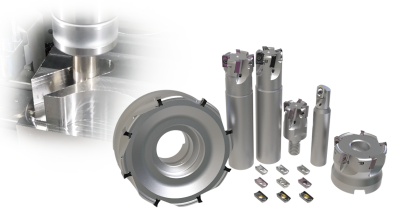
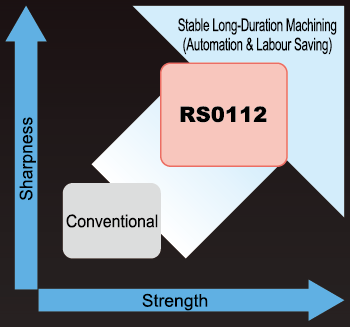
By enabling uninterrupted machining, it reduces shop‑floor workload and improves operational efficiency.
In today’s machining environments, where automation and labour saving are increasingly advancing, higher productivity is strongly demanded.
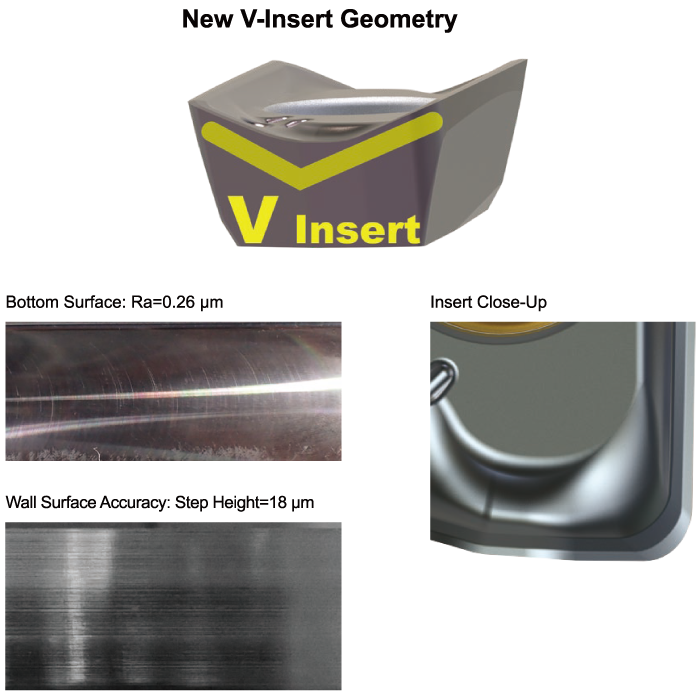
Mitsubishi Materials’ multi‑functional shoulder milling cutter “RS0112” features a proprietary V‑insert geometry that delivers an excellent balance of sharp cutting performance and high strength. This enables stable, long‑duration machining, making RS0112 an ideal solution not only for high‑efficiency machining but also for meeting the growing needs of automation and reduced manpower.
By strongly supporting uninterrupted machining, RS0112 contributes to reducing shop‑floor workload while further improving operational efficiency.
Multi‑Functional Machining for Automation and Labour Saving
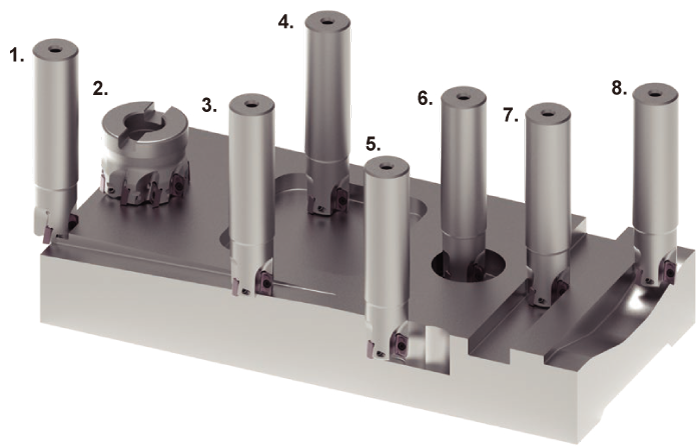
1. Shoulder Milling 2. Face Milling 3. Ramping 4. Pocket Milling
5. Plunging 6. Helical Milling 7. Slot Milling 8. 3-D Profiling
Insert Features
High Sharpness Creates High‑Precision Surface Finish
Strength Enables Stable Machining
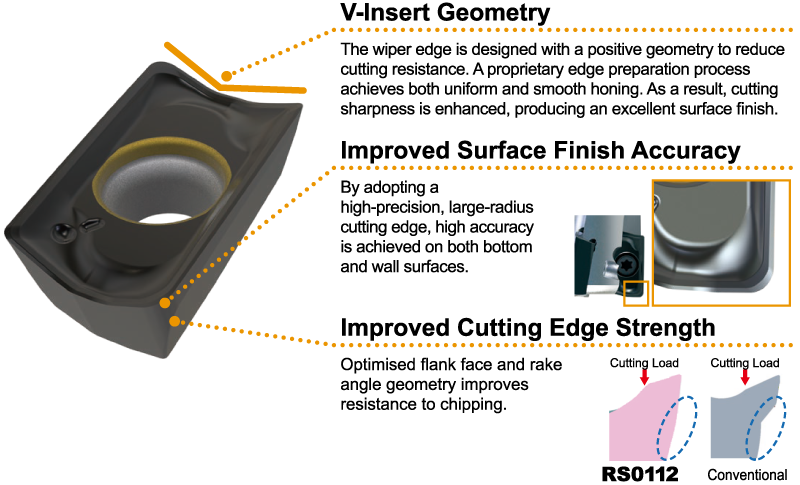
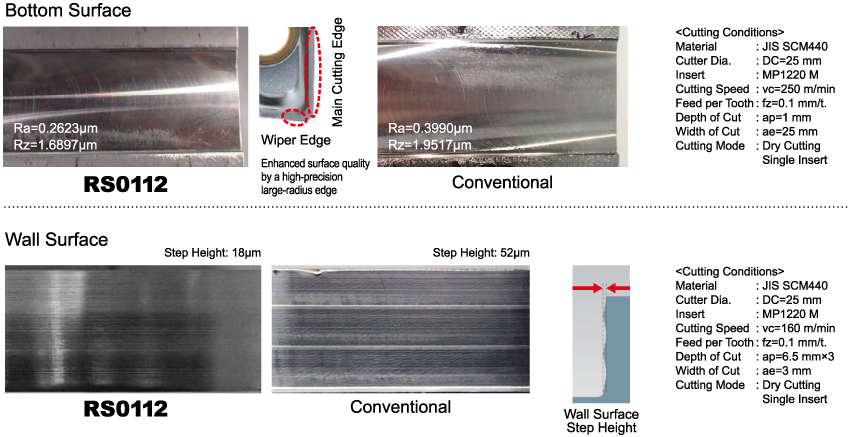
High‑Quality Surface Finish
The surface finish achieved by the V‑insert geometry also reduces the need for secondary operations.
SCM440: Surface finish accuracy comparison
The low cutting‑resistance design allows smooth chip evacuation, achieving a high‑quality bottom surface and step‑free wall surfaces.
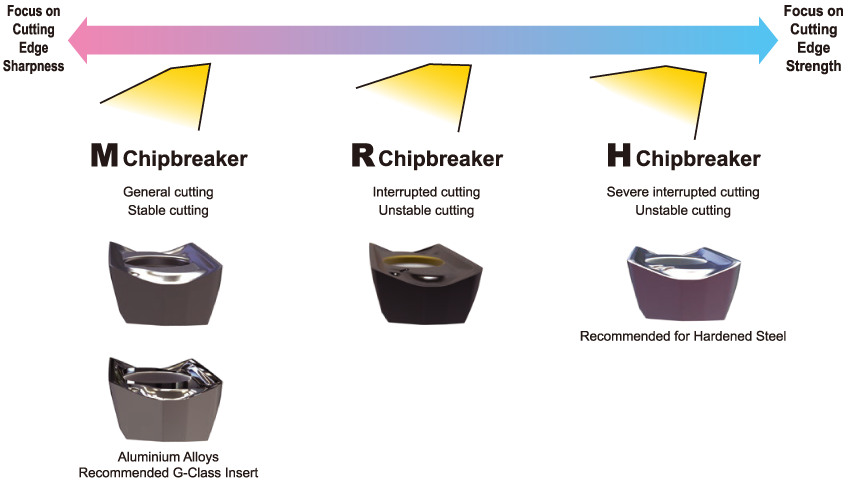
Chipbreaker System
Three chipbreaker geometries are available to suit different machining applications.
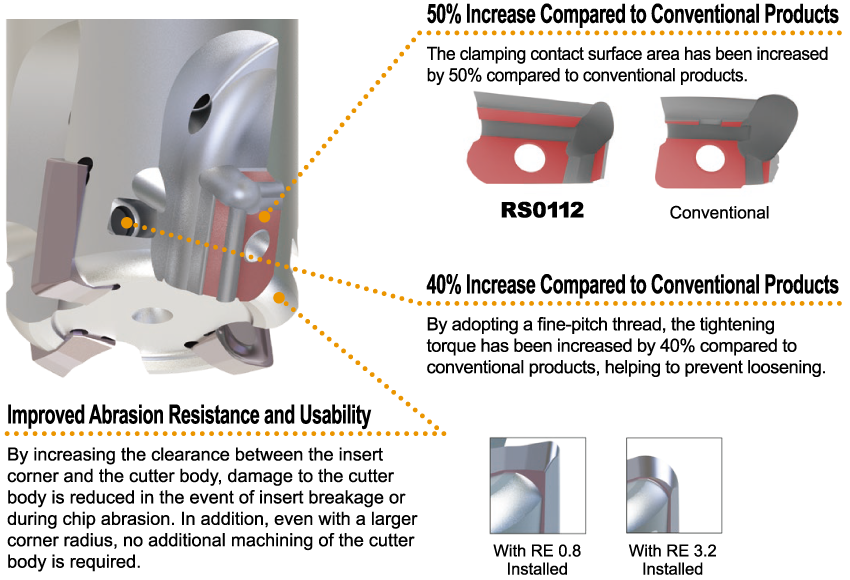
Cutter Body Features
Unwavering Durability
RS0112 has been developed with a relentless focus on cutter body performance, delivering unwavering durability.
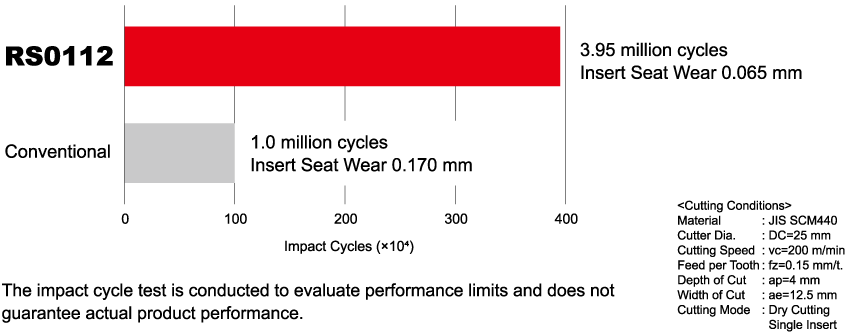
SCM440: Insert seat wear comparison
Even under four times the number of impact cycles compared to conventional products, insert seat wear is evenly distributed, resulting in improved durability of the cutter body.
Balance between Cutting Resistance and Fracture Resistance
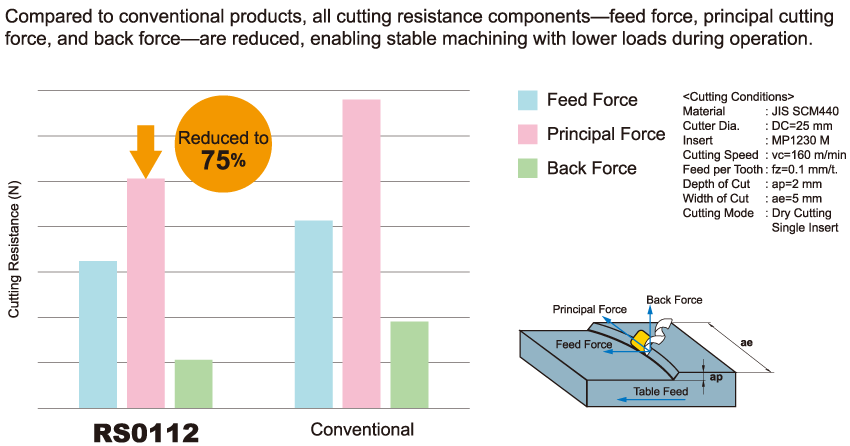
The cutter body is designed to pursue durability while reducing cutting resistance.
SCM440: Cutting resistance comparison
Compared to conventional products, all cutting resistance components—feed force, principal cutting force, and back force—are reduced, enabling stable machining with lower loads during operation.
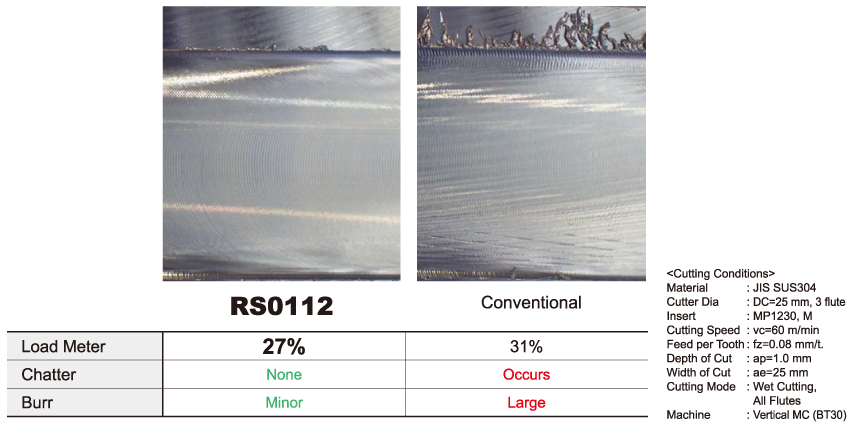
Surface Finish Comparison on Small Machine Tools (BT30)
Stable machining is achieved even on small machine tools due to low cutting forces.
Cutting Performance
It delivers high performance across a wide range of workpiece materials.
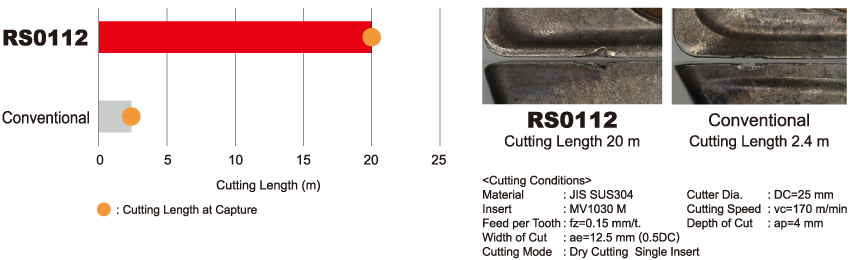
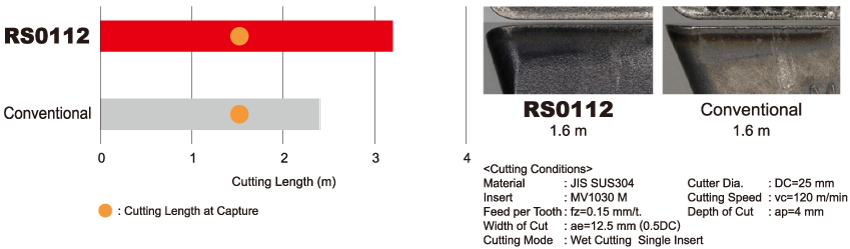
SUS304: Fracture resistance comparison (Dry cutting)
Low cutting resistance reduces edge chipping, delivering over eight times longer tool life than conventional products.
SUS304: Fracture resistance comparison (Wet cutting)
Compared to conventional products, cutting edge thermal cracking is suppressed, achieving more than 1.25 times the tool life.
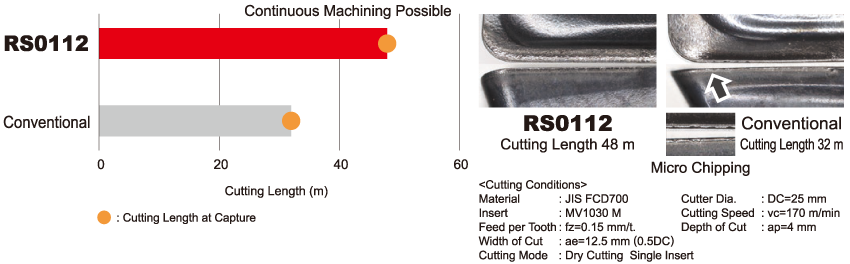
FCD700: Fracture resistance comparison
Compared to conventional products, the absence of micro chipping that affects tool life results in more than 1.5 times the tool life.
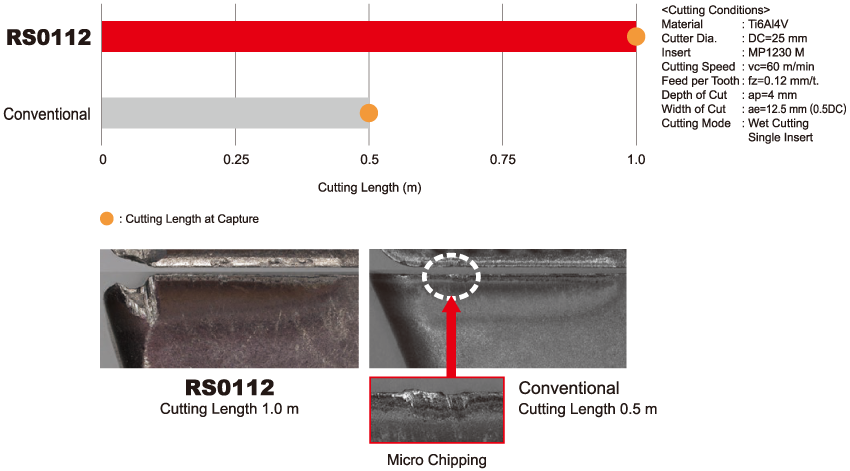
Ti6Al4V: Cutting length comparison
Even in titanium alloy machining, significant extension of tool life is achieved without chipping.
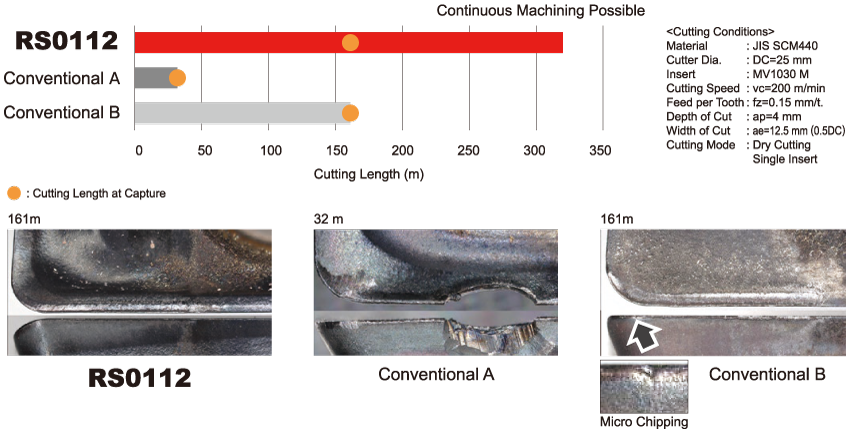
SCM440: Fracture resistance comparison
By reducing cutting resistance, cutting edge load is lowered, resulting in more than double the tool life of conventional products.
Customer Application Example
Courtesy of Mashiko Manufacturing Co., Ltd.
Compared to conventional products, the step height was reduced to one‑tenth, and continuous machining was achieved without insert adhesion or flaking.
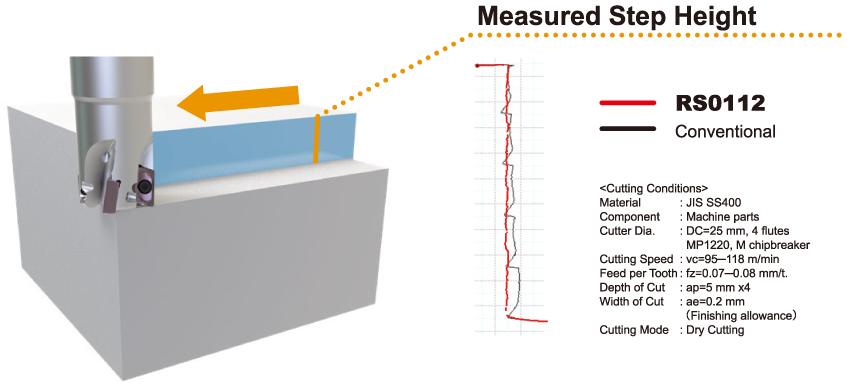
Machined Mechanical Component – S45C Shoulder Milling
Tool life was doubled compared to conventional products, with clearly superior results also achieved in surface finish quality.
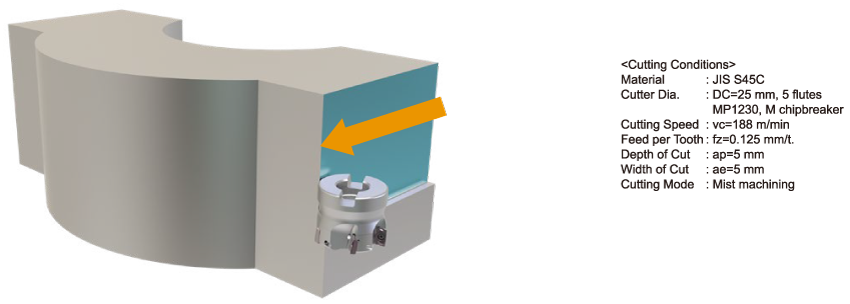
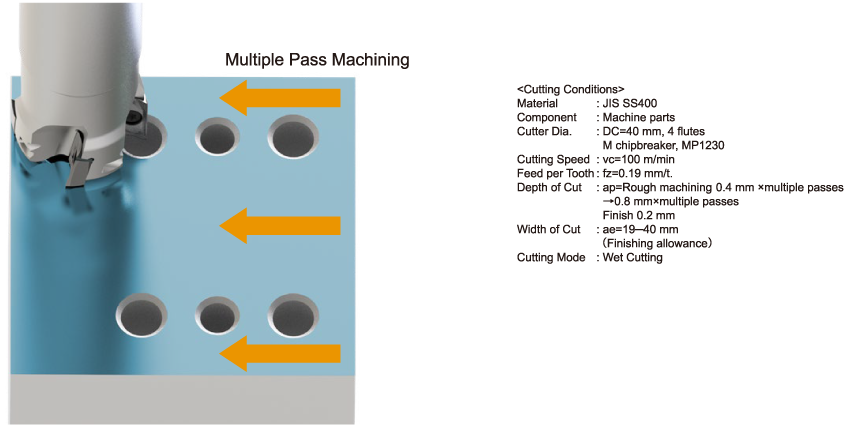
Mechanical Part Machining Example – SS400 Face Milling
Even when the depth of cut (ap) was doubled compared to conventional products, no fracture occurred.
As a result, productivity doubled and tool life increased by 2.5 times. In addition, machining noise was reduced, and cutter pass marks on the finished surface were eliminated.
 Japan
Japan  United States
  Mexico
  Brazil
  EU
EU  United Kingdom
  Germany
  Spain
Spain  France
  Italy
Italy  Poland
  Turkey
  Czechia
  China
China  Asia Pacific
  Vietnam
  Indonesia
  India
India  For finish cutting
 For medium cutting


